NC Child and the North Carolina Institute of Medicine are hosting the third annual State of the Child Summit in Raleigh, North Carolina.
Hosted by NC Child and the North Carolina Institute of Medicine (NCIOM), the State of the Child Summit will focus on the current state of children’s health and well-being in North Carolina, and engage parents, lawmakers, and leaders across communities, sectors, and organizations in discussions around policy solutions to ensure North Carolina’s children have the opportunity to reach their full potential.
The State of the Child Summit is sold out!
Join us for the Voices for Children Reception on Wednesday, April 15 from 6:00-8:00PM at the Hilton Raleigh North Hills! At this evening event, we’ll connect with each other to honor and recognize our 2026 Voices for Children Awardees and to celebrate North Carolina’s dedicated and passionate child advocates. There is no required fee to attend the reception, but registration is required.
The Voices for Children Reception is sold out!

If you are interested in sponsoring the 2026 State of the Child Summit, please contact NC Child Senior Director of Development and Operations Brad Beauregard at [email protected].
Leslie Boney is the principal at the website boneconnector.com where he writes about public policy and the connections between our work, play and spiritual lives. He is the former head of NC State’s Institute of Emerging Issues, vice president of the UNC System and has led statewide initiatives focused on afterschool mentoring, welfare reform and rural economic development. While serving in the NC Department of Commerce and Governor’s Office, Leslie coordinated the state’s efforts to redesign rural development policy, increase volunteerism, and reform welfare. At the nonprofit MDC, he managed a two-state effort to help rural communities recover from manufacturing job loss. A former teacher and reporter, he received a B.A. from Amherst College.

Managing Director and Chair of Advocacy, APCO, Chairman of NC Central Board of Trustees
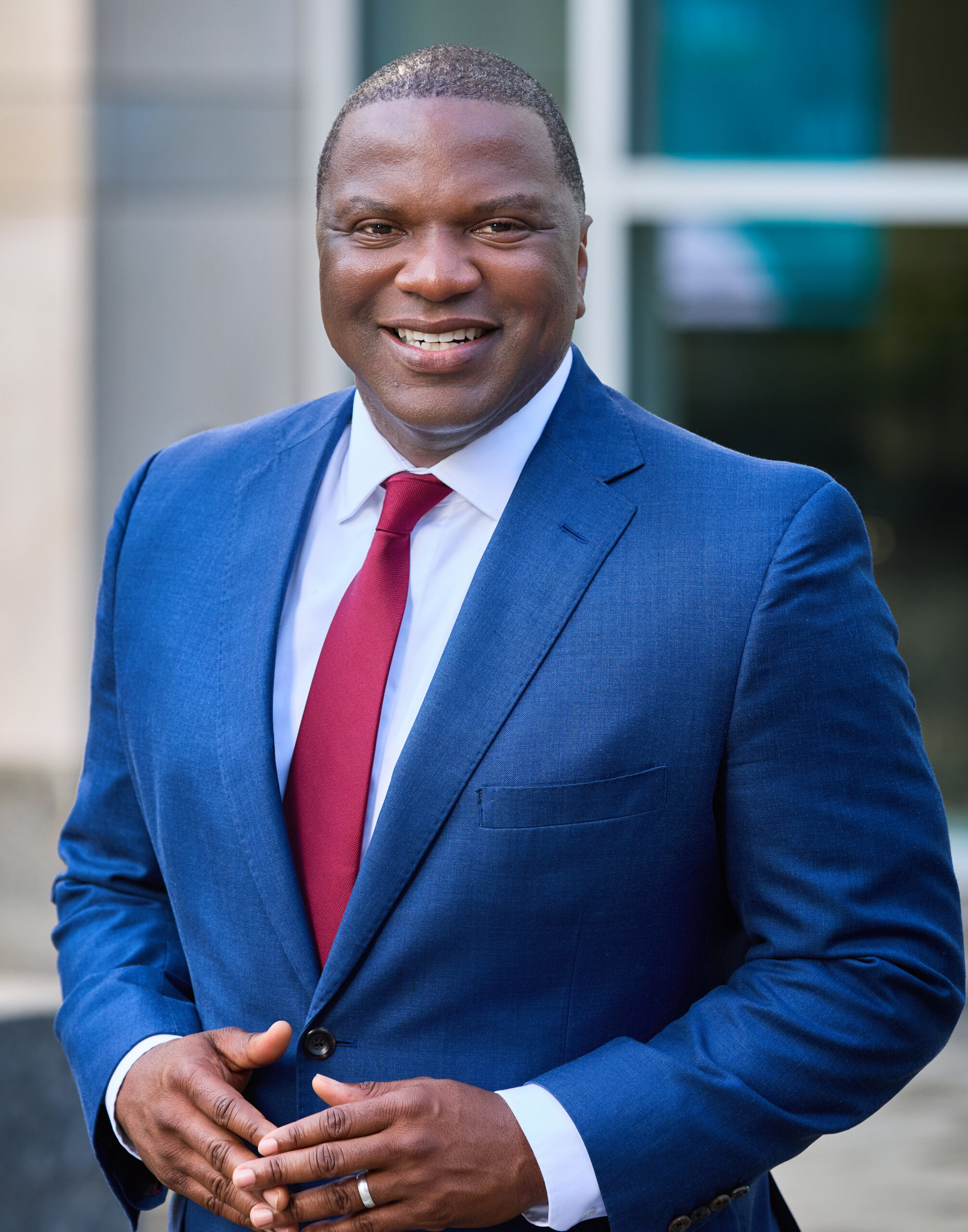
Courtney Crowder is a respected leader in public affairs, government relations, and political strategy, with nearly 25 years of experience advancing policy and equity. Renowned for his strategic insight and collaborative approach, he is recognized as an expert in navigating complex policy issues and developing successful advocacy initiatives.
In his current role as North America Managing Director and Chair of Advocacy at APCO, Courtney oversees operations in Washington, D.C., Raleigh, and the broader South Region. His leadership drives client success across diverse public and private sector challenges.
Deeply committed to community service, Courtney serves as Chair of the Board of Trustees for North Carolina Central University, sits on the boards of Delta Dental of North Carolina and M&F Bank, and provides leadership for the North Carolina Black Alliance.
He holds a B.A. in English Literature and French from North Carolina Central University, an M.A. in Liberal Studies from Duke University, and completed the Program of History, Politics, and Society at Oxford’s Exeter College.
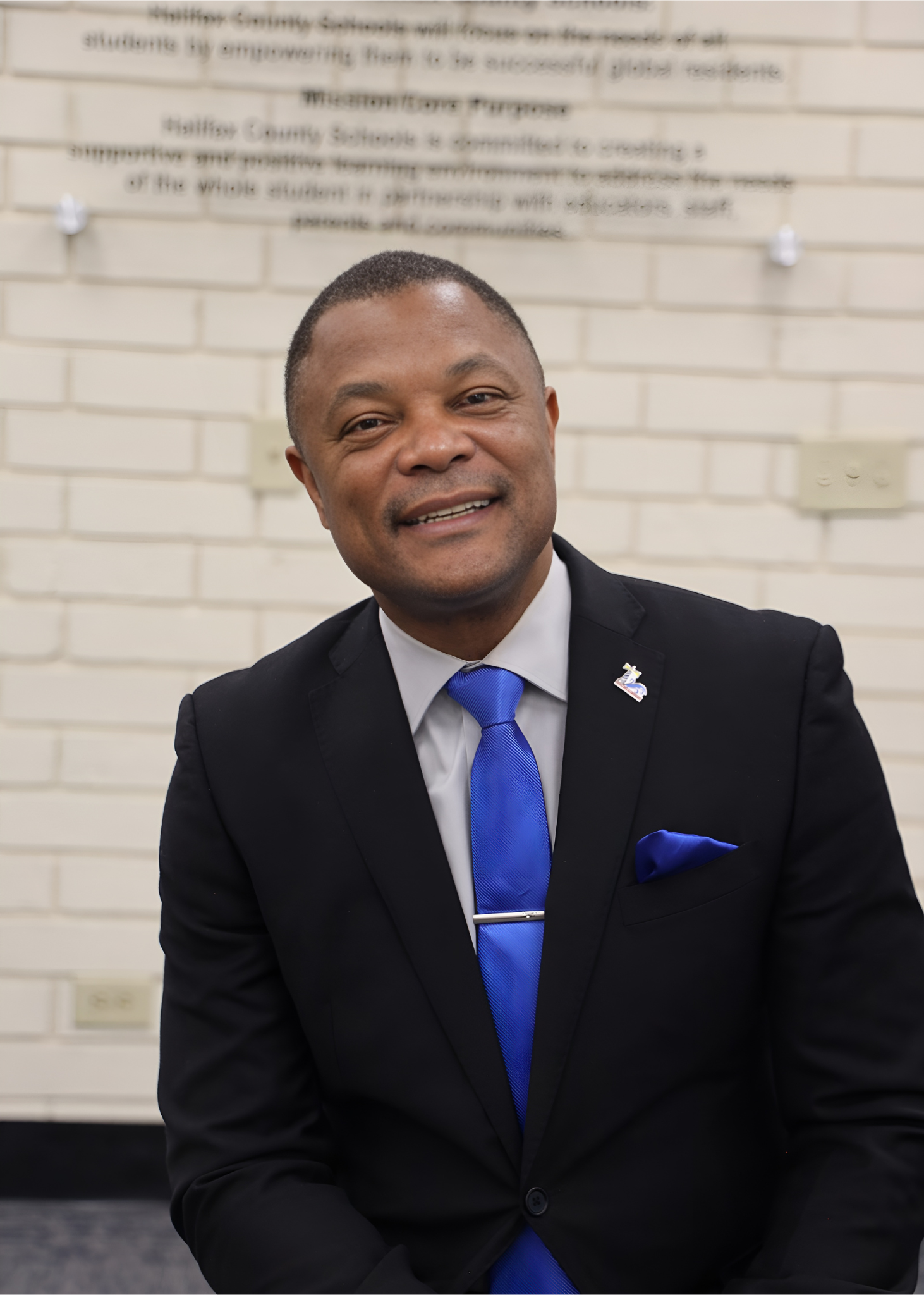
Dr. Eric Cunningham, affectionately known as Dr. “C,” has dedicated the past eight years to serving as the Superintendent of Halifax County Schools, where he continues to lead with vision, integrity, and an unwavering commitment to the success of students. His leadership is marked by a deep understanding of the transformative power of education and an enduring belief in the potential of every young person.
Dr. Cunningham’s academic journey is a testament to his dedication to excellence. He earned a Bachelor of Science and a Master of Arts in Counseling from Liberty University, before completing a Doctorate in Administration and Supervision at the University of Virginia. These educational accomplishments have provided him with a solid foundation in both the theory and practice of educational leadership, which he has effectively applied throughout his career.
Beyond his role as Superintendent, Dr. Cunningham is an active and engaged member of his community. He serves with distinction as a member of the Roanoke Rapids Rotary Club, where he contributes to various community initiatives aimed at improving the lives of local residents. His involvement in the Rotary reflects his belief that leadership extends beyond the classroom and into the heart of the community. In addition to his Rotary work, Dr. Cunningham plays a key role on the Halifax County Board of Health, where he uses his expertise to advocate for public health initiatives that benefit the broader community. His dedication to community well-being exemplifies the type of servant leadership that defines his professional and personal life.
Cunningham’s exemplary leadership has earned him numerous accolades, including a Certificate of Appreciation from the Halifax County Juvenile Crime Prevention Program and the Halifax Cooperative Extension’s “Honoring Our Heroes Award.” These honors recognize his outstanding contributions as a mentor, leader, and advocate for positive change.
As an author, Dr. Cunningham has shared his wisdom and insights in books such as Starting from the Bottom and How to Start at the Top & Release the Success POWER Within You!, both of which inspire individuals to overcome obstacles and achieve their fullest potential. His writing is a reflection of his personal journey and his passion for empowering others to succeed.
Through his leadership in education, his active community involvement, and his ongoing commitment to youth and public health, Dr. Cunningham continues to make a lasting impact on the lives of individuals and the future of his community. His work stands as a powerful reminder that leadership, compassion, and service go hand in hand in shaping a brighter, more hopeful tomorrow
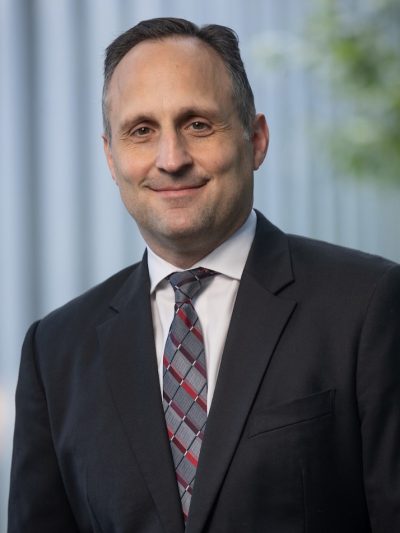
Josh Dobson became president and CEO of the North Carolina Healthcare Association Nov. 12, 2024. The Association unites hospitals, health systems and care providers for healthier communities, advocating for sound public policies and collaborative partnerships to make high quality healthcare equitable and accessible for all.
With over 14 years of experience as a North Carolina elected leader, his career has included serving as a county commissioner, serving in the state House of Representatives, and serving as the state’s Commissioner of Labor, during which he also was a member of the Council of State. During his eight years serving in North Carolina General Assembly, Mr. Dobson represented the 85th district covering Avery, McDowell and Mitchell counties located in the western part of the state. He also served as Chair of the House Appropriations Committee and Chair of the House Health Committee.
During his time in the state house, Mr. Dobson contributed to shaping healthcare legislation by helping to write and pass a law to protect healthcare worker safety by making violence against hospital employees a felony. He also worked across the aisle to enact changes to the state’s mental health law regarding involuntary commitment (IVC) of individuals in behavioral crises and contributed to landmark legislation expanding Medicaid to provide access to care and coverage for an additional 600,000 North Carolinians.
As president & CEO of the NCHA, he oversees the association’s work to represent its membership of more than 135 hospitals and health systems throughout the state. NCHA’s members include state hospitals, military and governmental treatment facilities, VA, primary care, inpatient and outpatient care, rehabilitative services, behavioral health care, and post-acute care.
His role with the association also includes overseeing the operations and staff of the NCHA Strategic Partners, a subsidiary helping healthcare providers access cost-effective products and services to respond to the changing healthcare landscape, and the North Carolina Healthcare Foundation, the charitable, non-profit innovative and programmatic arm of the association.
A North Carolina native, Mr. Dobson received his bachelor’s degree from Gardner-Webb University and a Master of Public Administration from Appalachian State University. He lives in Raleigh and Nebo with his wife Valerie and their daughter Kennedy.
Kasey Ginsberg joined Golden LEAF in January 2017 as the first program officer for the Disaster Recovery Grant Program and now serves as Vice President/Chief of Staff.
Her responsibilities include leading the strategic development and execution of the external-facing work of Golden LEAF including communications, government relations, and the Golden LEAF Scholarship Program. Kasey provides management support on internal initiatives to increase organizational effectiveness and organization-wide strategic planning efforts.
Kasey also fulfills Director of Programs responsibilities for the state and federally-funded programs of the Foundation including the Disaster Recovery Grant Program, Hurricane Florence Relief Fund Program, COVID-19 Rapid Recovery Loan Program, Flood Mitigation Grant Program, and the Food Distribution Assistance Program.
Prior to joining Golden LEAF, she served in budget and policy roles for Governor Pat McCrory and Speaker Thom Tillis where she worked on a variety of topics including economic development, education, transportation, and disaster recovery. Born and raised in California and Maryland, Kasey found her way to North Carolina for college, graduating from Meredith College in 2010.

Jai Kumar serves as the Executive Vice President of CaroNova, a health innovation incubator dedicated to advancing care transformation, policy reform, and systems change. In his role, Mr. Kumar ensures that all new initiatives are strategically aligned with CaroNova’s mission and oversees the organization’s program design, communications, and policy development teams.
Prior to joining CaroNova, Mr. Kumar held the position of Vice President of Innovation at the North Carolina Healthcare Association (NCHA), where he collaborated with hospitals and health systems to develop public-private solutions addressing the opioid crisis, enhanced healthcare workforce strategies, and promoted access to care. Earlier in his career, he served as Senior Director at the YMCA of the Triangle, where he led initiatives in youth development and inclusive programming.
Mr. Kumar holds a Master’s in Public Health Policy and Management from the Gillings School of Global Public Health at the University of North Carolina at Chapel Hill, and a Bachelor’s in Biological Sciences from North Carolina State University.

Elizabeth Tilson serves as the inaugural Executive Director of Nurture NC, an organization dedicated to working with multi-sector partners to improve maternal and infant health in North Carolina. She brings strong subject matter expertise in maternal and infant health along with deep experience in forging public private partnerships and advancing collaborative work across the state.
She most recently served the state of North Carolina for almost 8 years as State Health Director and Chief Medical Officer for the Department of Health and Human Services. Prior roles include serving as the Medical Director of Community Care of Wake and Johnston Counties, Chief Network Medical Director for Community Care of North Carolina, and Assistant Consulting Professor and Cancer Control Specialist with Duke University Medical Center. Dr. Tilson practiced primary care pediatrics for 26 years and has been active in leadership roles in many local, state, and national pediatric, public health and preventive medicine organizations.
Dr. Tilson is a graduate of Dartmouth College (BA), Johns Hopkins University School of Medicine (MD), and the University of North Carolina – Chapel Hill (MPH in Maternal and Child Health). She completed Residencies and is board certified in both Pediatrics and General Preventive Medicine/Public Health.


In these sessions, you'll hear from civic, nonprofit, and industry leaders, policymakers, health professionals, advocates, and youth about the critical issues that affect our state's youngest residents. Read more about our plenary sessions here.
When it comes to early childhood development, a wide array of conditions in the places where children live, grow, play, and learn shape their development and lay the foundation for their lifelong health and well-being. In this keynote presentation, Co-Executive Director Tassy Warren will share more about the key scientific concepts that influence child development, ongoing research and advancements, and opportunities to continue improving early learning outcomes for children.
Learn more about the Harvard University Center on the Developing Child’s work here.
About Tassy Warren
Tassy Warren is Co-Executive Director and Chief Strategy Officer at the Harvard University Center on the Developing Child, where she is responsible for leading the Center’s strategy development, making sure that it is responsive to the needs of the field, and optimizing the use of the Center’s assets and platform. Warren was drawn to the Center’s mission back when she started in 2007 and remains committed to making sure that the Center’s work is ultimately in service of improving the lives of young children and their families.
Warren has played many roles within the organization and shepherded a number of high-profile projects and initiatives. Before joining the Senior Leadership Team, Tassy was the project director of the Frontiers of Innovation initiative, which was designed to accelerate the development and adoption of science-based innovations. Before joining the Center, she worked on professional development programs for educators at the Harvard Graduate School of Education and worked as a project coordinator at the Mayor’s Volunteer Center for the City of New York. Warren holds a BA in economics and government from the University of Virginia and an EdM from the Harvard Graduate School of Education.
In his lunchtime keynote, Associate Commissioner Hanlon will present on the Administration for Children, Youth, and Families’ (ACYF) approach to child welfare service delivery with an emphasis on the Family First Prevention Services Act and other policies that provide supports to children and families to prevent foster care placement. Associate Commissioner Hanlon’s presentation will also emphasize other federal strategies and partnerships to support states in streamlining reporting requirements, improving foster parent recruitment and retention, and other ways to strengthen outcomes for children and families.
About Associate Commissioner Hanlon
Ryan Hanlon, Ph.D., MSW serves as Associate Commissioner of the Children’s Bureau within the Administration on Children, Youth and Families (ACYF). In this leadership role, he provides national guidance on child welfare policy and practice, collaborating with states, tribes, and territories to promote safety, permanency, and well-being for children and youth. His work encompasses preventing maltreatment, strengthening families, reducing time in foster care, and expanding pathways to safe, permanent families.
Dr. Hanlon brings over two decades of distinguished experience in child welfare, foster care, and adoption to ACF. Most recently, he served as President and CEO of the National Council For Adoption (NCFA), where he previously led the organization’s education, research, and constituent services initiatives. His career foundation includes hands-on experience in direct-service child welfare roles, including adoption and foster care practice.
This plenary session about the state of youth mental health in North Carolina is presented—and shaped—by the leaders serving on NC Child’s Youth Advocacy Council.
Moderator
Raymond Harrison, Jr., Senior Associate Athletic Director, Student Development & Performance, North Carolina State University
Panelists
In this session, North Carolina’s healthcare leaders will present a special update on rural child and family health, federal changes to Medicaid and what it means for healthcare access and delivery, and how civic, philanthropic, and nonprofit leaders are preparing to meet the challenges and opportunities ahead.
Presenters
In this session, attendees will hear from members of the North Carolina General Assembly about the policy landscape surrounding issues critical to child and family well-being.
Moderator
Rose Hoban, Founder and Editor, North Carolina Health News
Panelists:
In these sessions, you'll hear from civic, nonprofit, and industry leaders, policymakers, health professionals, advocates, and youth about the critical issues that affect our state's youngest residents. Read more about our breakout sessions here.
In just a two-year period, North Carolina lost about 20% of its foster care homes. This lack of placement options in counties across the state forces DSS offices to place children outside of their home counties, complicating parent-child visitation requirements and child welfare court proceedings—all while fraying connections to their communities. This session explores the issues county DSS offices face in finding local foster care placement options and policy strategies that can address the issue.
Introductory Speaker
Angela Boykin, CEO, Healthy Blue
Moderator
Dr. Sarah Dyson, Research Associate, Basis Policy Research/North Carolina Collaboratory
Panelists
While critically important for supporting lifelong health and resilience, the topic of child and infant mental health is often misunderstood. In this session, participants will learn more about how childhood experiences – both positive and adverse – impact child development and how public policy and administrative advocacy can support positive childhood experiences and stronger health outcomes.
Moderator
Dr. Ellie Erickson, Assistant Professor of Pediatrics, Duke University School of Medicine
Panelists
Growing brains and bodies need consistent access to adequate nutrition to thrive, but in North Carolina, almost 1 in 5 children aren’t getting enough to eat. Additionally, schools are increasingly becoming where children are getting their only meal of the day. This isn’t how we set our children up for success. In this session, participants will learn more about how hunger impacts child development and how policy changes can meet—and feed—students so they can have a stronger, healthier future.
Moderator
Abby Emanuelson, Executive Director, North Carolina Alliance for Health
Panelists:
Over the years, it has become increasingly more expensive to live, work, and raise a family in North Carolina and across the United States. However, strategic pro-family policies like the Child Tax Credit and ABLE Accounts can help fortify families, make it easier for people to start families, and lead to healthier and more productive lifetime outcomes for children. In this session, participants will learn about how pro-family policies have shifted economic outcomes for families across the nation and the policy landscape in North Carolina.
Moderator
Michelle Ries, President and CEO, North Carolina Institute of Medicine
Panelists:
A growing body of research and anecdotal evidence have connected the dots between increased digital activity and poorer mental health outcomes among youth, but what do these technologies mean for their brain development? In this session, participants will get a deep dive into the connection points between technology, addiction, and mental health—and what it means for a growing brain.
Moderator
Julia Beck, President, CaroNova
Panelists
For families of children with special or complex health care needs, certain Medicaid programs and innovations have helped to deliver critical care, but access to these programs remains out of reach for many. In this session, participants will learn about administrative strategies for protecting and streamlining access, as well as opportunities to enrich service delivery and cover existing gaps.
Introduction
Chris Paterson, CEO, Carolina Complete Health
Moderator
Dr. Ciara Zachary, Assistant Professor, UNC Gillings School of Global Public Health
Panelists
Tobacco, cannabis, and vaping products have evolved to become more potent and more dangerous over the years, however much of our conversation around prevention strategies and the impact on youth has fallen behind these changes. In this session, participants will learn about the evolution of these products, growing health risks, how parents can protect youth, and policy opportunities that can protect kids from the harmful health impacts of nicotine and cannabis.
Moderator
Karen McLeod, President and CEO, Benchmarks
Panelists:
Though they provide an essential service for children and families, early childhood educators make less than 97% of all other professions nationally. These low wages contribute to high turnover rates and workforce instability in an industry whose future is already hanging in the balance. In this session, participants will dive deeper into the challenges surrounding the deteriorating workforce at the center of the child care crisis, as well as the interventions that support recruitment and retention.
Introduction
Patrick Woodie, President & CEO, NC Rural Center
Moderator
Jenna Barnes, Youth Mental Health-Early Childhood Director, Blue Cross NC Foundation
Panelists
Preventive and routine dental care is a necessity for ensuring child oral health and physical wellbeing, but for many families, accessing these services can be challenging. In this session, panelists will discuss challenges to oral health access and delivery across North Carolina and the programs and initiatives that ensure our children can have better teeth and a brighter smile.
Moderator
Stacey Solomon, Early Childhood Oral Health Coordinator, NCDHHS Division of Public Health, Oral Health Sector
Panelists
Learn more about accommodations, parking, and other key details you'll need to know for when you join us at the 2026 State of the Child Summit.
The 2026 State of the Child Summit will be held at the Hilton Raleigh North Hills. There is not a predetermined room block at the North Hills Hilton, however attendees are welcome to stay there if desired.
Other local lodging options:
There is free on-site parking at the Hilton Raleigh North Hills. Parking is located around the building, with lot entrances on Wake Forest Road, St. Albans Drive, and Benson Drive. The Summit will be held in the conference center, which is accessible through the main entrance on Wake Forest Road.
The State of the Child Summit will include a light breakfast and a lunch buffet. Breakfast will include a selection of continental options, in addition to regular and decaf coffee and hot tea. Gluten free breakfast options will be available. We are working with the Hilton’s catering team to ensure that the lunch buffet has options to accommodate allergies and other dietary restrictions.

